
How is Microplastic Affecting Your Health?
Deep-dive into microplastic and health: impact, causes, & precautions
Plastic is a big problem that everyone is trying to tackle. It is everywhere and even in our bodies. Microplastics are the type of pollution we did not excpet. But it is now impacting our health severly.
In this blog, we’ll explore how microplastics enter your system, the organs they affect, and the health risks they pose. We’ll also share practical precautions to help you minimise exposure. Read on to uncover the hidden dangers of microplastics and what you can do to protect yourself.
Table of Contents
What is Microplastic and Why Are They a Concern?
Microplastics are tiny plastic particles less than five millimetres in size, often invisible to the naked eye. They have become a pervasive presence in our environment, infiltrating oceans, rivers, soil, and even the air we breathe.
In our everyday lives, microplastics are more common than you might think. They lurk in the synthetic clothes we wear, the tyres on our cars, and the packaging that wraps our food. Even routine activities like washing clothes or brushing teeth can contribute to microplastic pollution.
The real concern lies in the potential for these microscopic particles to accumulate in the human body. As microplastics pervade our environment, they find their way into the food we eat, the water we drink, and the air we inhale. Their small size allows them to bypass filtration systems and penetrate biological barriers, raising pressing questions about their impact on human health.
How Microplastics Enter the Human Body?
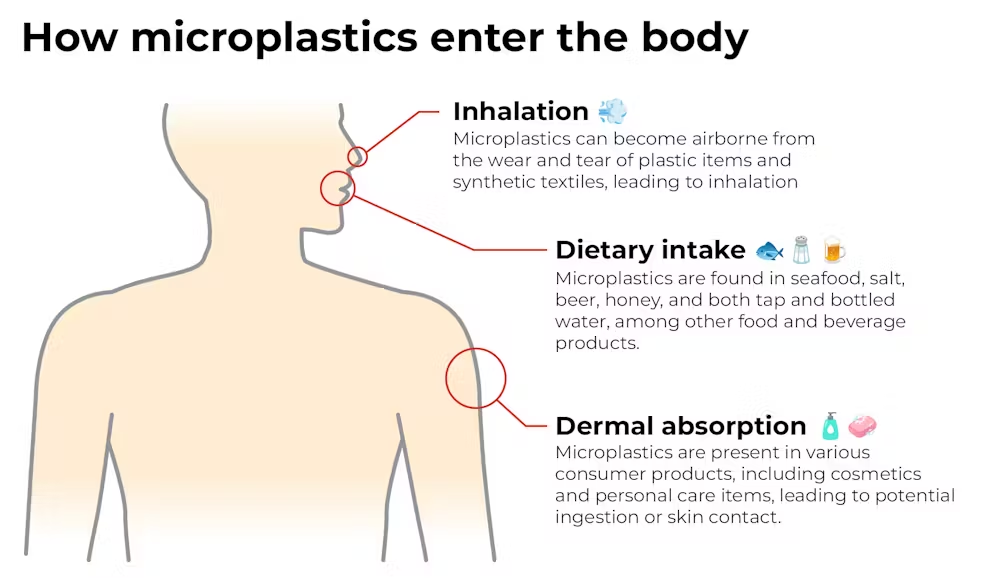
Understanding how microplastics infiltrate our bodies is crucial to assessing the risks they pose and finding ways to minimise exposure. Let’s explore the main entry points: the digestive tract, the respiratory system, and the skin.
Entry Through the Digestive Tract
One of the primary ways microplastics enter our bodies is through ingestion.
Ingestion via Food and Water
Microplastics have been detected in a variety of foods, most notably in seafood like fish and shellfish. These marine creatures can ingest microplastics present in polluted waters, which then accumulate in their bodies. When we consume seafood, we may also be ingesting these particles.
Even everyday staples like table salt have been found to contain microplastics. Studies have revealed their presence in both sea salt and rock salt across different brands and countries. Additionally, microplastics contaminate bottled and tap water. Research suggests that we could be consuming thousands of microplastic particles each year just from drinking water.
Impact of Food Packaging
The packaging that protects our food can also be a source of microplastic contamination. Plastic containers and wrappers may leach microplastics into food, especially when exposed to heat or physical stress. Microwaveable plastics, in particular, can release particles when heated, leading to higher ingestion rates.
Entry Through the Respiratory Tract
Another significant pathway is through inhalation.
Inhalation of Airborne Microplastics
Airborne microplastics are present in both indoor and outdoor environments. Microfibres shed from synthetic clothing and textiles become part of household dust and can be inhaled.
Outdoor air pollution, especially in urban areas with heavy traffic and industrial activity, contributes to the concentration of microplastics in the air.
Indoor Air Quality
Inside our homes, everyday activities like vacuuming or dusting can stir up microplastic-laden dust particles. Poor ventilation can exacerbate the problem, allowing these particles to accumulate.
While masks can filter out some airborne particles, not all masks are effective against microplastics due to their minute size.
Entry Through the Skin
Though less significant than ingestion or inhalation, dermal absorption is another route of entry.
Dermal Absorption
Certain cosmetics and personal care products contain microbeads—tiny plastic spheres used for exfoliation or texture. When applied to the skin, there’s potential for these particles to penetrate, especially if the skin barrier is compromised.
Wearing synthetic clothing or polyester fabric can also pose risks. Microfibres can transfer from the fabric to the skin, particularly in warm conditions when pores are open.
While healthy skin provides a good barrier, cuts, abrasions, or skin conditions like eczema can allow microplastics to enter the body more easily.
Current research suggests that while intact skin is generally effective at preventing microplastics from entering the body, nanoparticles—plastics at an even smaller scale—may penetrate more deeply. The full extent of dermal absorption is still under investigation, but it remains a potential entry point, especially for certain sizes and types of particles.
Effects of Microplastics on Health: Internal Organs
Once inside the body, microplastics can interact with various internal systems, potentially leading to adverse health effects.
Microplastics in Gastrointestinal Tract
Ingested microplastics pass through the digestive system, where they can cause inflammation and irritation of the gut lining.
Studies on animals have shown that microplastics can disrupt the balance of gut microbiota, which plays a crucial role in digestion and immune function. This imbalance could lead to issues with nutrient absorption and gastrointestinal disorders.
Microplastic and Health Harm on Respiratory System
Inhaled microplastics can settle in the lungs, leading to inflammation of lung tissue. Over time, this can contribute to respiratory diseases such as asthma or bronchitis.
The long-term effects of chronic exposure are still being studied, but there is concern that continuous inhalation of microplastics could lead to more severe pulmonary conditions.
Microsplastic in Circulatory System
There is emerging evidence that microplastics can enter the bloodstream. Once in circulation, they have the potential to reach other organs, including the liver and kidneys.
Studies have detected microplastics in human blood samples, indicating that these particles can permeate biological barriers and may accumulate in bodily tissues.
Health Risks Associated with Microplastics
The presence of microplastics in the body raises several health concerns, ranging from mild to severe.
Mild Health Effects of Microplastics
Some people may experience allergic reactions or skin irritation due to exposure to microplastics. Respiratory discomfort, such as coughing or shortness of breath, can result from inhaling airborne particles. These symptoms may be more pronounced in individuals with pre-existing sensitivities.
Microplastics & Serious Health Conditions
Long-term exposure to microplastics is linked to more serious health conditions. Chemical additives in plastics, like Bisphenol A (BPA) and phthalates, are known endocrine disruptors that can interfere with hormonal balance. This disruption can lead to reproductive issues, developmental problems, and even increase the risk of certain cancers.
Chemical Toxins and Additives
Microplastics can act as carriers for other environmental toxins. Persistent organic pollutants (POPs), which are harmful chemicals resistant to degradation, can adhere to microplastic surfaces. When ingested, these toxins can bioaccumulate in the body, exacerbating health risks. The combination of physical particles and chemical exposure heightens concerns about the overall impact on human health.
Precautions and How to Minimise Exposure
While completely avoiding microplastics may be impossible given their prevalence, there are practical steps you can take to reduce your exposure.
How to Reduce Microplastic Ingestion?
Opt for products with minimal plastic packaging. Choosing fresh, unpackaged produce and using reusable containers can limit the amount of plastic that comes into contact with your food.
Filtering your drinking water using devices capable of removing microplastics can also decrease ingestion. Certain foods, like shellfish, are more likely to contain microplastics, so moderating consumption may be beneficial.
Improving Air Quality & Mitigate Microplastic Inhalation
Improve indoor air quality by using air purifiers equipped with HEPA filters, which can capture tiny particles, including microplastics.
Regular cleaning and dusting can reduce the accumulation of microplastic-laden dust. In areas with high air pollution, wearing masks designed to filter fine particles can offer additional protection.
Skin Protection from Microplastics
Avoid cosmetics and personal care products containing microbeads. Check labels for ingredients like polyethylene (PE) or polypropylene (PP), which indicate the presence of plastic particles.
Opt for clothing made from natural fibres like cotton, wool, or hemp to reduce exposure to synthetic microfibres. Proper wound care is essential to prevent microplastics from entering the body through cuts or abrasions.
Advocacy and Lifestyle Changes
Support policies aimed at reducing plastic use and promoting sustainable alternatives. Participate in community clean-up efforts to help remove plastic waste from the environment. Educate yourself and others about the risks associated with microplastics and encourage collective action to address this global issue.
Microplastics have infiltrated virtually every aspect of our environment, making their way into our bodies through the food we eat, the air we breathe, and the products we use. While research is still uncovering the full extent of their impact on human health, the potential risks—from mild irritations to serious health conditions—are cause for concern.
Individual actions can make a difference. By being mindful of our consumption habits, supporting sustainable practices, and staying informed, we can help mitigate the effects of microplastics on our health and the environment.
We encourage you to share this information with others and to take proactive steps towards reducing plastic pollution. Together, we can work towards a healthier future for ourselves and the planet.
Sanjoli is currently the Website & SEO Analyst at Simpplr and was previously steering the marketing ship at Quattr. She has a Master’s degree in Fashion Journalism and has contributed to publications like MensXP, Mindless Mag and Sustain: The Mag in the past. Conscious Charcha is her way of learning more about sustainability and spreading the word about a sustainable lifestyle.
Microplastic and Health FAQs
The body’s natural elimination processes may expel some microplastics through excretion. However, the extent to which the body can remove these particles, especially the smallest ones, is not fully understood. Medical interventions are currently limited, and research is ongoing to explore potential methods for removing microplastics from the body.
Not all microplastics pose the same level of risk. Factors such as size, shape, chemical composition, and the presence of absorbed toxins influence their potential harm. Nanoplastics, which are even smaller than microplastics, may penetrate cells and tissues more easily, potentially leading to greater health impacts.
International efforts are underway to tackle microplastic pollution. Policies banning microbeads in cosmetics have been implemented in several countries. Research into biodegradable materials and improved waste management practices is ongoing. Global agreements like the United Nations’ initiatives aim to reduce plastic pollution and promote sustainability.


One Comment
Pingback: