
7 Creative Hacks & Techniques to Minimise Food Waste at Home
Minimising food waste at home can be a fun exercise when you are doing one of these creative hacks. Rethink how you manage & minimise food waste!
In India, frugality and resourcefulness have always been deeply ingrained in our culture. From using every part of a vegetable to repurposing leftovers, our traditional practices offer a wealth of wisdom on reducing waste.
In this blog, we’ll explore seven creative ways to repurpose food scraps, engage in DIY projects, and breathe new life into commonly wasted food items. These practical tips will not only help you minimise food waste but also add a creative and resourceful touch to your daily routine.
Conscious Charcha regularly brings you the best content around sustainable living. So subscribe to our blog and be the first one to receive new content straight in your inbox!
Table of Contents
Repurpose Vegetable Peels into Broths and Chips
Did you know that vegetable peels can be more than just waste? In fact, they can be a goldmine for nutritious, delicious, and cost-saving recipes! Let’s explore how you can turn those often discarded peels into useful kitchen staples.
But first, Why Save Peels?
Vegetable peels are packed with valuable nutrients and flavors that we often overlook. Peels from potatoes, carrots, and onions are nutrient-dense and can add flavor to dishes. Not to mention, it’s a great way to be eco-friendly and budget-conscious.
Instead of throwing them away, you can use them to make broths and chips, reducing waste and making your meals more wholesome.
How to Collect and Store Vegetable Peels?
Start by collecting peels from vegetables like potatoes, carrots, and onions. Ensure they are clean and free of dirt or pesticides. Store these peels in an airtight container or a freezer bag. If you’re not using them immediately, you can freeze them. Vegetable peels can last up to a month in the freezer, giving you enough time to accumulate a good amount for repurposing.
Use Vegetable Peels to Make a Nutritious Vegetable Broth
One of the easiest and most rewarding ways to utilize vegetable peels is by making a nutritious broth. Collect an assortment of peels and scraps, such as potato skins, carrot ends, onion tops and bottoms, coriander stems, and even cauliflower bits.


To create the broth:
- Strain the liquid, discarding the solids.
- Add the collected peels to a large pot.
- Cover with water and bring to a boil.
- Let it simmer for about 45 minutes to an hour.
You will notice that the bright colours of your peels have vanished, making peel skins more translucent. This means that all the nutritional value is now transferred into the aromatic broth.
This homemade vegetable broth can be used in soups, stews, dals, and even for cooking grains like rice or quinoa, adding a depth of flavor that store-bought broths often lack.
Turn Potato Peels into Crispy Chips
Who doesn’t love a good snack? And what’s even better is that it’s healthier than the pre-packaged process junk we find in the supermarkets.
One such super snack that is easy to make at home is to turn your leftover potato peels into crispy, delicious chips. Here’s how:


- Preheat your oven to 200°C (400°F).
- Spread out the clean potato peels on a baking sheet.
- Toss them lightly with olive oil, salt, and your favorite seasonings like paprika or garlic powder.
- Bake for 10-15 minutes until golden brown and crispy.
Enjoy these chips as a guilt-free snack or a crunchy addition to salads and sandwiches.
By following these simple steps, you can make the most of your vegetable peels and significantly reduce the food that would have otherwise found its way into landfills.
Make Your Own Vinegar with Fruit Scraps
Vinegar is a staple in many Indian kitchens, known for its use in both the kitchen and as a cleaning agent. However, store-bought vinegar often feels too chemical-heavy for many people, raising concerns about its safety and purity.
The good news is that you can easily make your own vinegar at home using fruit scraps, turning waste into a valuable household resource!
One of the best fruits to turn into homemade vinegar is the apple. Apple cores and peels make an excellent base for creating apple cider vinegar. Other fruits like pears, pineapples, and even berries can also be used, but apples are a popular choice for their rich flavor and ease of fermentation.
How to Make Apple Cider Vinegar at Home?
To get started, you need to save the fruit scraps. After using apples for other recipes, collect the cores (centers without the seeds) and peels in a clean, airtight container. You can continue to add to this container over a week, but make sure to store it in the refrigerator to prevent any premature spoilage.
Once you have enough fruit scraps, the process to make vinegar is simple.

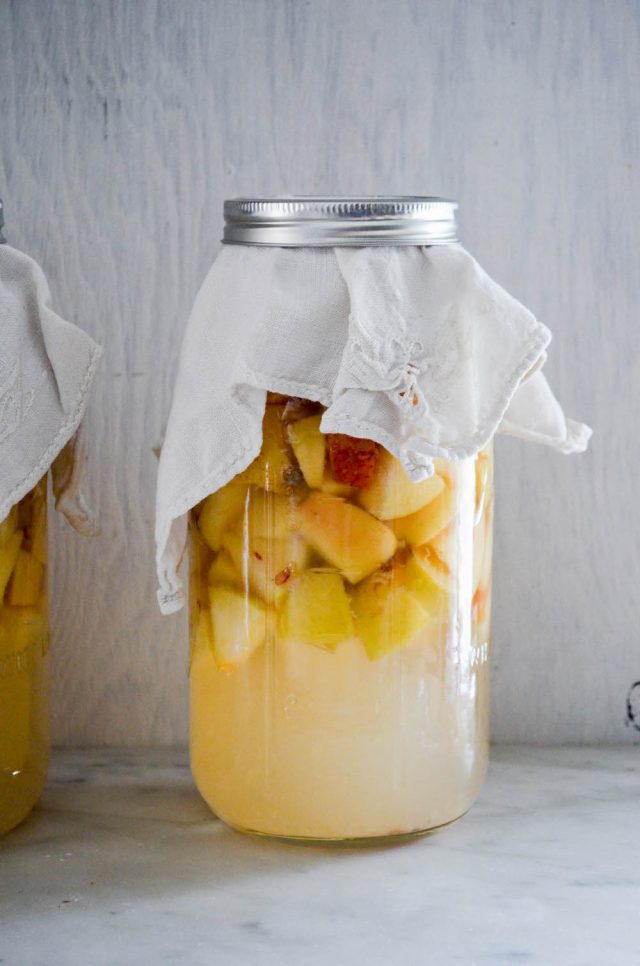
- Begin by placing the collected apple peels and cores into a wide-mouthed glass jar.
- Add enough water to cover the fruit scraps completely.
- To kickstart the fermentation process, stir in a couple of tablespoons of sugar until it dissolves completely.
- Cover the jar with a cloth secured by a rubber band to allow air to flow in but keep flies and debris out.
Allow the mixture to sit at room temperature in a spot away from direct sunlight for about 2-3 weeks, stirring it daily to ensure the scraps stay submerged. You’ll start to notice a tangy vinegar smell as the weeks pass. After 2-3 weeks, strain out the solid scraps and transfer the liquid into a clean jar.
Store your homemade vinegar in a cool, dark place, tightly sealed. It will continue to mature and develop over time. Homemade vinegar can last up to a year if stored properly, making it both an economical and sustainable choice for your household.
By making your own vinegar from fruit scraps, you’re not just minimizing food waste but also gaining a natural, chemical-free alternative for your kitchen needs. Whether you use it in your cooking or as a cleaning agent, this homemade vinegar is sure to bring a touch of eco-friendly sophistication to your home.
Transform Stale Bread into Delicious Dishes
Stale bread often finds its way to the trash can, but it’s time to rethink how we handle this common kitchen occurrence. With a bit of creativity, you can transform that hardened loaf into delectable dishes that your family will love. Here are a few tried-and-true methods to get you started.
Make Bread Crumbs
Bread crumbs are incredibly versatile and can be used for coating your meats, and vegetables before cooking, giving them a delightful crunch. Simply take your stale bread, break it into smaller pieces, and pulse them in a grinder until you achieve the desired consistency. You can store the bread crumbs in an airtight container, and they’ll last for weeks.
Use Stale Bread to Make Soup Floats or Salad Crunches
Cut your stale bread or bread sides into cubes and toss them in olive oil, garlic, herbs, and a pinch of salt. Spread the bread cubes on a baking sheet and toast them in the oven at 180°C (350°F) for about 10-15 minutes, or until they’re golden and crispy.
Make a Bread Pudding
For those with a sweet tooth, turning stale bread into a mouth-watering traditional bread pudding is a must. To start, tear the bread into small pieces and place them in a baking dish.
In a separate bowl, whisk together milk, eggs, sugar, vanilla extract, and a pinch of cinnamon. Pour the mixture over the bread, ensuring it’s well-soaked.
Let it sit for a few minutes to absorb the liquid, then bake at 180°C (350°F) for about 45 minutes, or until the top is golden brown and the custard is set.
Serve warm with a scoop of whipped cream or vanilla ice cream for an indulgent treat.
By rethinking how you use stale bread, not only do you minimise food waste, but you also create new, delicious dishes that make meals more exciting. Give these ideas a try and see how versatile and valuable that old loaf can be!
Enrich Your Garden with Banana Peels
Who knew that banana peels, often discarded without a second thought, could be such a powerful tool for enriching your garden?Banana peels, packed with essential nutrients, are a surprisingly versatile resource for gardening enthusiasts.
Why Use Banana Peels to Enrich Soil?
Banana peels are rich in potassium, phosphorus, and calcium, all crucial nutrients for plant growth. When you compost banana peels, these nutrients are gradually released into the soil, promoting healthier and more robust plants. The natural decomposition process helps improve soil texture, aeration, and microbial life, making your garden thrive without the need for synthetic fertilizers.
Bana Peels Help Deter Plant Lice
Banana peels are not only good for soil but also serve as a natural pest deterrent. If you’re tired of seeing plant lice, commonly known as aphids, munching on your plants, try using banana peels.
Simply chop up the peels and bury them just below the surface around the base of your plants. The scent of the peels helps to repel small insects, reducing the need for chemical pesticides. This eco-friendly method ensures that your garden remains both healthy and chemical-free.
Make a Banana Peel Fertiliser Tea
Another excellent way to utilize banana peels in your garden is by making a banana peel fertilizer tea. This liquid fertilizer is easy to prepare and highly effective. Here’s how you can do it:
- Save and collect your banana peels until you have about five or six.
- Place the peels in a large jar and fill it with water. Let the peels soak for around 48 hours.
- After the soaking period, strain the liquid and dilute it with water in a 1:5 ratio.
- Pour this nutrient-rich tea directly onto your garden soil or use it to water your plants.
Banana peel fertilizer tea is an effortless, cost-effective way to give your plants a nutrient boost. The potassium in the tea helps in root development, improving the overall health and yield of your plants.
Extend the Life of Fresh Herbs & Green Leafy Vegetables
Herbs and green leafy vegetables are staples in Indian cuisine, adding vibrant flavors and rich nutrients to a wide array of dishes. However, they also tend to spoil quickly, leaving many of us throwing away wilted coriander or slimy spinach far too often.
The delicate nature of these greens makes them susceptible to rapid degradation, primarily due to moisture loss, exposure to air, and improper storage.
Additionally, storing them in tightly sealed containers without proper ventilation accelerates their spoilage by fostering a humid environment that encourages bacterial growth.
How to Extend the Life of Kitchen Herbs & Leafy Greens?
1. Coriander or Dhaniya:
To keep your coriander fresh, wrap the stems in a damp paper towel and place them in a plastic bag. Alternatively, you can trim the ends and place the bunch in a glass of water, covering it loosely with a plastic bag. Store in the refrigerator, changing the water every couple of days.
2. Mint or Pudina:
Mint can be stored similarly to coriander. Trim the ends and keep the bunch in a glass of water with a loose plastic bag covering. For longer storage, you can also chop the mint and freeze it in ice cube trays with a little water or broth.
3. Basil:
Basil is best stored at room temperature. Trim the stems and place the basil in a glass of water, just like you would a bouquet of flowers. Avoid refrigeration as it causes the leaves to blacken.
4. Lettuce:
For lettuce, separate the leaves and wash them thoroughly. Once washed, spin them dry in a salad spinner and store the dry leaves in a clean, breathable container or a perforated plastic bag in the refrigerator.
5. Spinach:
To keep spinach fresh, remove any wilted or damaged leaves and wash the rest thoroughly. Dry the leaves and store them in a paper towel-lined container to absorb excess moisture. Ensure the container lid is securely placed to maintain freshness.
6. Methi & Saag:
Methi, saag, and other spinach variant leaves should be washed and dried thoroughly before storage. Wrap them in a paper towel and place them in a plastic bag, ensuring it is well-ventilated. If possible, use perforated bags to provide adequate airflow, preventing moisture buildup that leads to spoilage.
Implementing these simple storage techniques can significantly extend the life of your fresh herbs and leafy greens. Not only does this minimise food waste, but it also ensures you always have fresh ingredients ready for your favorite Indian dishes. Remember, a bit of care in how you store your greens will go a long way in maintaining their freshness and flavor.
Creative Uses for Citrus Peels
Just like apple peels, citrus scrapes are a versatile kitchen & cleaning item that are best used rather than thrown in the dustbins. From natural cleaning solutions to aromatic home enhancements and culinary delights, here are some innovative ways to repurpose citrus peels.
Make Natural Cleaning Agents with Citrus Peels
One of the most effective uses for citrus peels is in creating natural cleaning agents. The high acidity and antimicrobial properties of citrus peels make them excellent for tackling grease and grime.
To make your own citrus cleaning solution, follow these simple steps:


- Collect peels from oranges, lemons, or any citrus fruit.
- Place them in a jar and cover with white vinegar.
- Allow the mixture to sit away from direct sunlight for two weeks, shaking occasionally.
- Strain the liquid into a spray bottle, diluting it with equal parts water.
This homemade cleaner is eco-friendly, cost-effective, and leaves your home smelling fresh and citrusy.
Create a Fresh, Aromatic Zesty Simmer Pot
Transform your home’s atmosphere with a fragrant simmer pot made from citrus peels. This method is not only natural but also incredibly easy:
- Fill a saucepan with water.
- Add a handful of citrus peels, along with complementary spices like cinnamon sticks or cloves.
- Bring to a gentle simmer, and let the aroma waft through your home.
This is a wonderful way to freshen up your space, especially during the colder months when closed windows can lead to stale indoor air.
Turn Peels into Citrus Zest for Baking and Cooking
Don’t forget the culinary potential of citrus peels. Citrus zest can add a burst of flavor to a variety of dishes, from desserts to main courses. To make zest:
- Use a microplane or fine grater to remove the outer layer of the citrus peel.
- Be sure to avoid the white pith underneath, as it can be bitter.
- Use the zest immediately or dry it for later use by spreading it on a baking sheet and leaving it in a warm, dry place for a few days.
Just a sprinkle of zest can elevate dishes like cakes, cookies, salads, and even pasta, adding a bright and tangy flavor.
BONUS USE: If the citrus zest goes stale add it to your homemade face pack to get rid of tan. Mix with besan, milk, honey to scrub of dirt and any tanning effects on your skin.
Use Eggshells for a Health and Home
We all know that eggs are a fantastic source of protein, but did you know that their shells are equally versatile? Rather than discarding eggshells, you can repurpose them in various creative and practical ways around your home. Let’s explore some of these ingenious uses!
Eggshells in Gardening
Eggshells can be a gardener’s best friend. Sprinkling crushed eggshells around your plants can serve as a natural pest deterrent. The sharp edges of the shells deter soft-bodied pests like slugs and snails, effectively protecting your plants without the need for harmful chemicals.
Eggshells are also rich in calcium, which helps to enrich the soil. Simply crush the shells and sprinkle them around the base of your plants or add them to your compost pile to boost its nutrient content. This can be done in conjunction with using banana peels, as both items can significantly enhance soil fertility and plant health.
Eggshells Candles Home DIY Project
Have you ever thought about making candles from eggshells? It’s an eco-friendly home décor project that’s both fun and easy to do especially with kids.
Use your empty eggshell halves as molds, fill them with melted wax, and insert a wick. You can even add essential oils for a pleasant aroma.
These candles are not only unique and charming but also a wonderful way to repurpose an item you would normally throw away. Don’t worry about an unpleasant smell; the wax and essential oils will take care of that, leaving your space beautifully scented.
Eggshells as Calcium Supplements
Eggshells can also be transformed into a natural calcium supplement. By boiling the shells to sterilize them, drying them thoroughly, and grinding them into a fine powder, you can create a potent calcium source. This powder can be added to smoothies, yogurt, or even baked goods to give your diet an extra calcium boost.
That’s a long list of creative hacks, projects, and uses of common kitchen food waste items. This blog was so fun to write and encouraged me to rethink creative uses of food waste items before mindlessly dumping them in our dust bins.
Share some other creative ways you use food waste & I will include them in the blog!
Sanjoli is currently the Website & SEO Analyst at Simpplr and was previously steering the marketing ship at Quattr. She has a Master’s degree in Fashion Journalism and has contributed to publications like MensXP, Mindless Mag and Sustain: The Mag in the past. Conscious Charcha is her way of learning more about sustainability and spreading the word about a sustainable lifestyle.
Minimise Food Waste Techniques FAQs
Yes, it can be safe to reuse or repurpose kitchen food waste items for purposes like making vegetable broth or natural cleaning products, as long as they are properly cleaned and stored. However, care should be taken to avoid using spoiled or moldy items.
Some quick and creative ways to repurpose food scraps include making vegetable broth from peels, turning stale bread into croutons, and fermenting apple cores to produce vinegar.
Food waste is best composted before being used in gardening to prevent issues like attracting pests and to ensure the material breaks down into nutrient-rich soil. Composting helps to stabilise and sanitise the waste, making it safer and more effective for plant growth.


You May Also Like

Guide to Plastic-Free Bathroom & the Plastic-Free Bathroom Products You Need

How to ace Slow Fashion & become a Conscious Fashion Consumer?
